

People's Adaptation Plans Madagascar
Introduction
Southern Madagascar faces some of the world’s most severe climate vulnerabilities. Recurrent droughts, declining rainfall, chronic food insecurity, and limited infrastructure have deepened poverty across the region—particularly for women, youth, and smallholder farmers. To address these challenges, the World Bank’s MIONJO Project was launched in 2020 to improve access to basic services, strengthen local governance, and build long-term climate resilience.
The Global Center on Adaptation is partnering with the Government of Madagascar, the World Bank and Catholic Relief Services (CRS) to embed Locally Led Adaptation approaches into the MIONJO project. GCA is supporting the development of a contextualized People’s Adaptation Planning process in three communes (Anakao, Ambondro and Ankariera) in southern Madagascar, ensuring that communities identify their own climate risks, set priorities, and shape the design of resilience investments.
Critically, the PAP methodology is being integrated into Madagascar’s national and subnational planning systems, including the Plan de Développement Local Intégré (PDLII) and the Manual for Communal Management, strengthening institutional capacity and enabling future replication across the country. Through this work, GCA and partners aim to influence adaptation guidelines and mainstream climate resilience into the country’s decentralized governance framework.
The work underway in southern Madagascar represents a critical shift toward systemic, community-driven climate resilience. By strengthening governance, empowering local actors, and embedding LLA principles into a major national program, the project is laying the groundwork for long-term, scalable adaptation solutions—designed and led by the communities who face climate impacts every day.
Timeline
November 2025 – COMMUNE SELECTION
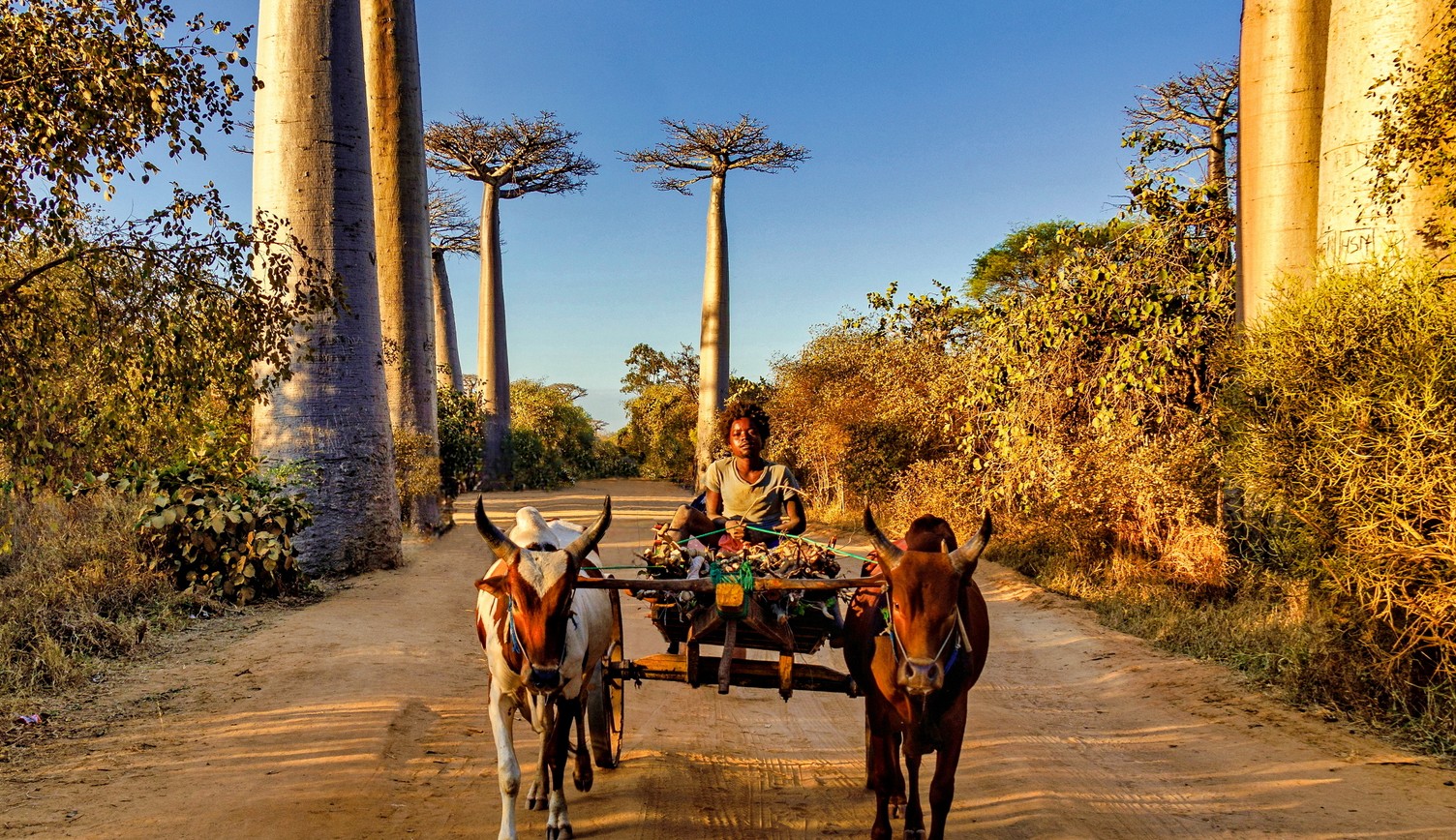
In November 2025, the three pilot communes were confirmed following the a selection framework developed jointly by GCA, CRS, and government partners. The criteria included climate vulnerability, socio-economic conditions, accessibility, and complementarity with ongoing MIONJO investments. Selected communes:
Anakao, District of Toliara II, Region of Atsimo Andrefana
Ambondro, District of Ambovombe, Region of Androy
Ankariera, District of Taolagnaro, Region of Anosy
OCTOBER 2025: LAUNCH OF THE PEOPLE’S ADAPTATION PLANNING PROCESS
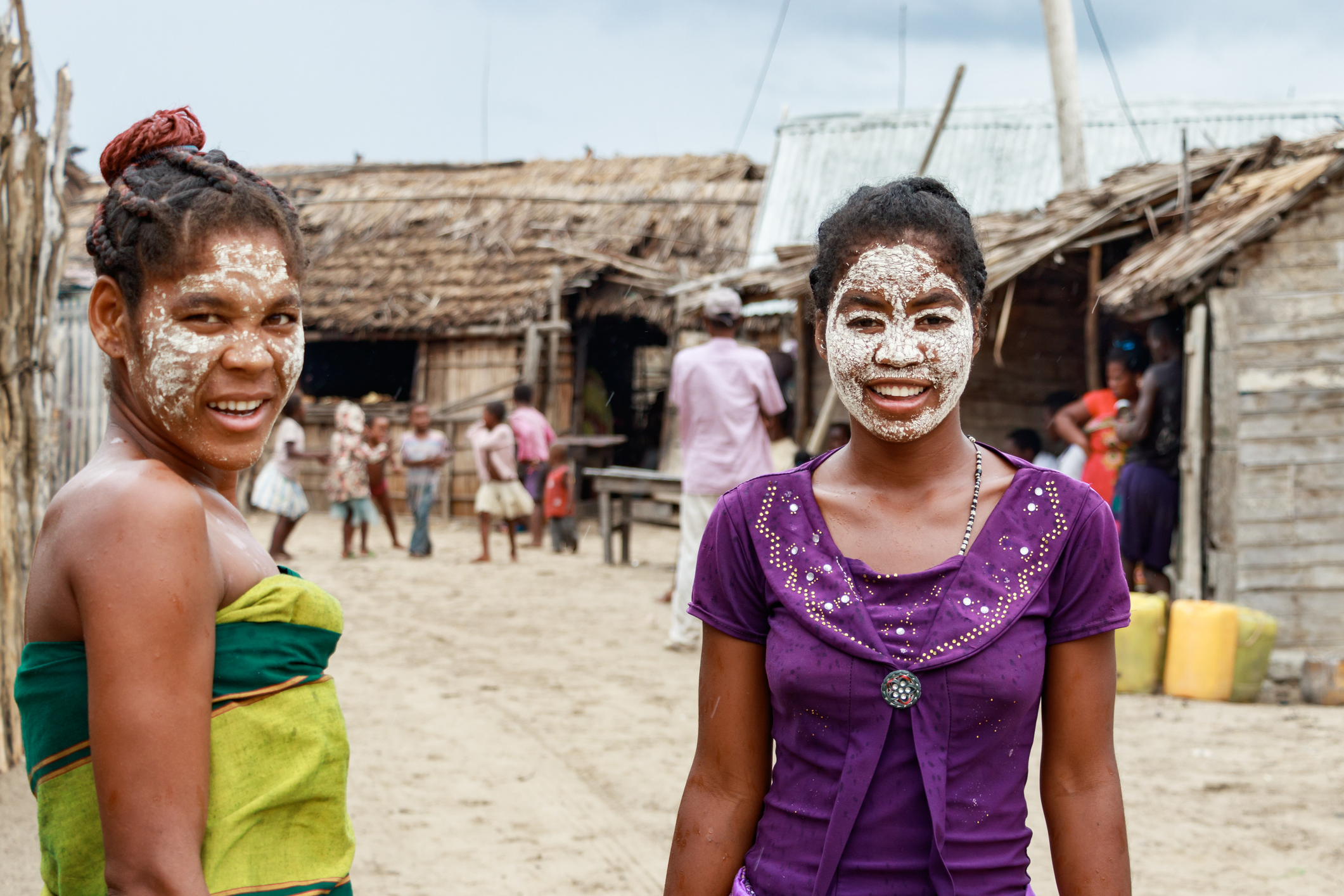
In October 2025, the partnership moved into full implementation with the signing of the sub-grant and the convening of a two-day initiation workshop in Antananarivo, led by CRS with support from GCA and government partners. The workshop sparked rich exchanges on how to integrate climate-informed, participatory planning into decentralized governance systems. Institutions identified opportunities to align ongoing government initiatives with the People’s Adaptation Planning approach, with Local Development Fund (FDL) noting its potential to help channel investments responsive to the unique contexts of each commune.
Learn more
AUGUST 2025: INITIATION MEETING
-1.jpg)
In August, GCA convened an initiation meeting with the Ministry of Decentralization and Territorial Development (MDAT), the Ministry of Environment and Sustainable Development (MEDD), and the World Bank’s MIONJO PIU. The meeting focused on adapting the People’s Adaptation Planning methodology to Madagascar’s decentralized governance systems, including integration with the PDLII and the Manual for Communal Management. Partners aligned on roles, expectations, commune screening parameters, and a learning-by-doing capacity-building approach for local authorities.
JULY 2025: LAUNCH OF CALL FOR PARTNERSHIP
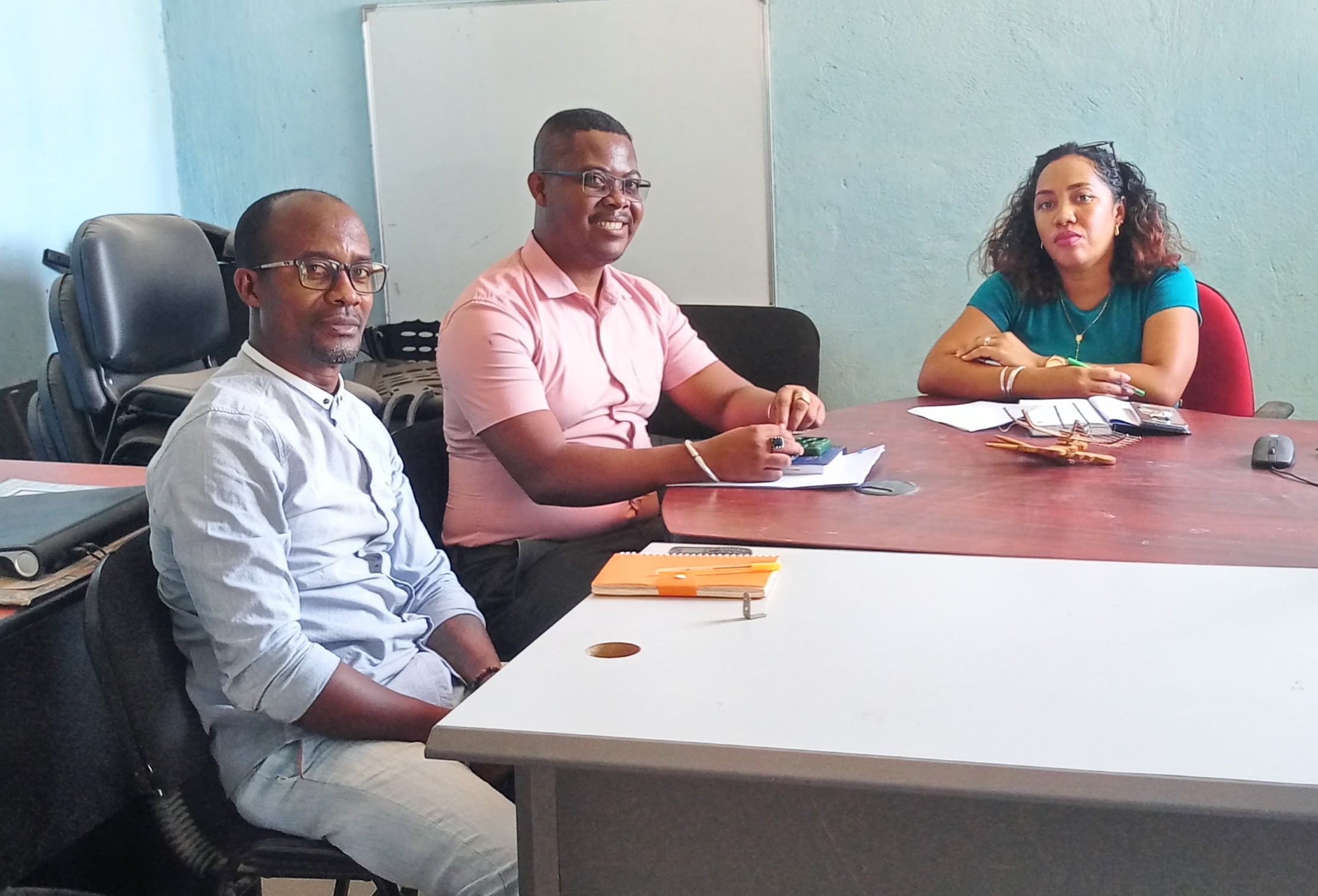
The journey began in July 2025, when GCA launched a Call for Partnership to identify a local organization capable of piloting the People’s Adaptation Planning process in three communes of southern Madagascar. This was an important moment: the work ahead required not just technical expertise, but deep understanding of local contexts, trusted community relationships, and the ability to translate LLA principles into practice on the ground. CRS was selected through a competitive process—chosen for its strong regional presence, experience in resilience programming, and commitment to community-driven approaches. With this selection, the groundwork was laid for a collaborative effort that would bring global methodology and local knowledge together.