ENG
English
French
Hindi
Chinese (Simplified)
Bengali
Swahili
Nepali
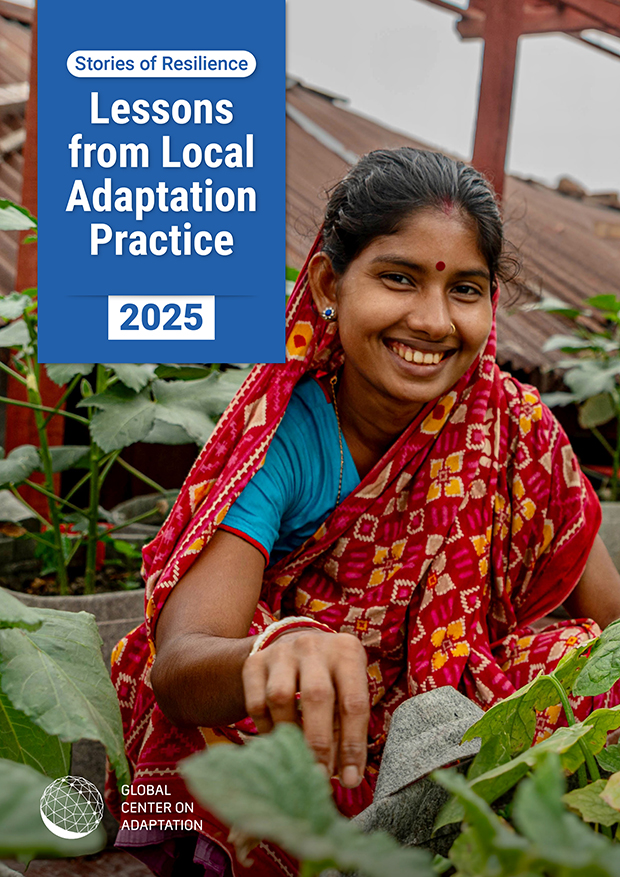
Stories of Resilience: Lessons from Local Adaptation Practice 2025
10 November 2025
Reports
Global Center on Adaptation
This year’s Stories of Resilience redefines true progress as a measure of the systems transformed over outputs delivered. Drawing on global examples and lessons on inclusive funding, philanthropy, and justice, it underscores how aligning local priorities with national governance and finance can drive lasting change. Discover how giving power to local actors makes adaptation smarter, fairer, and unstoppable.
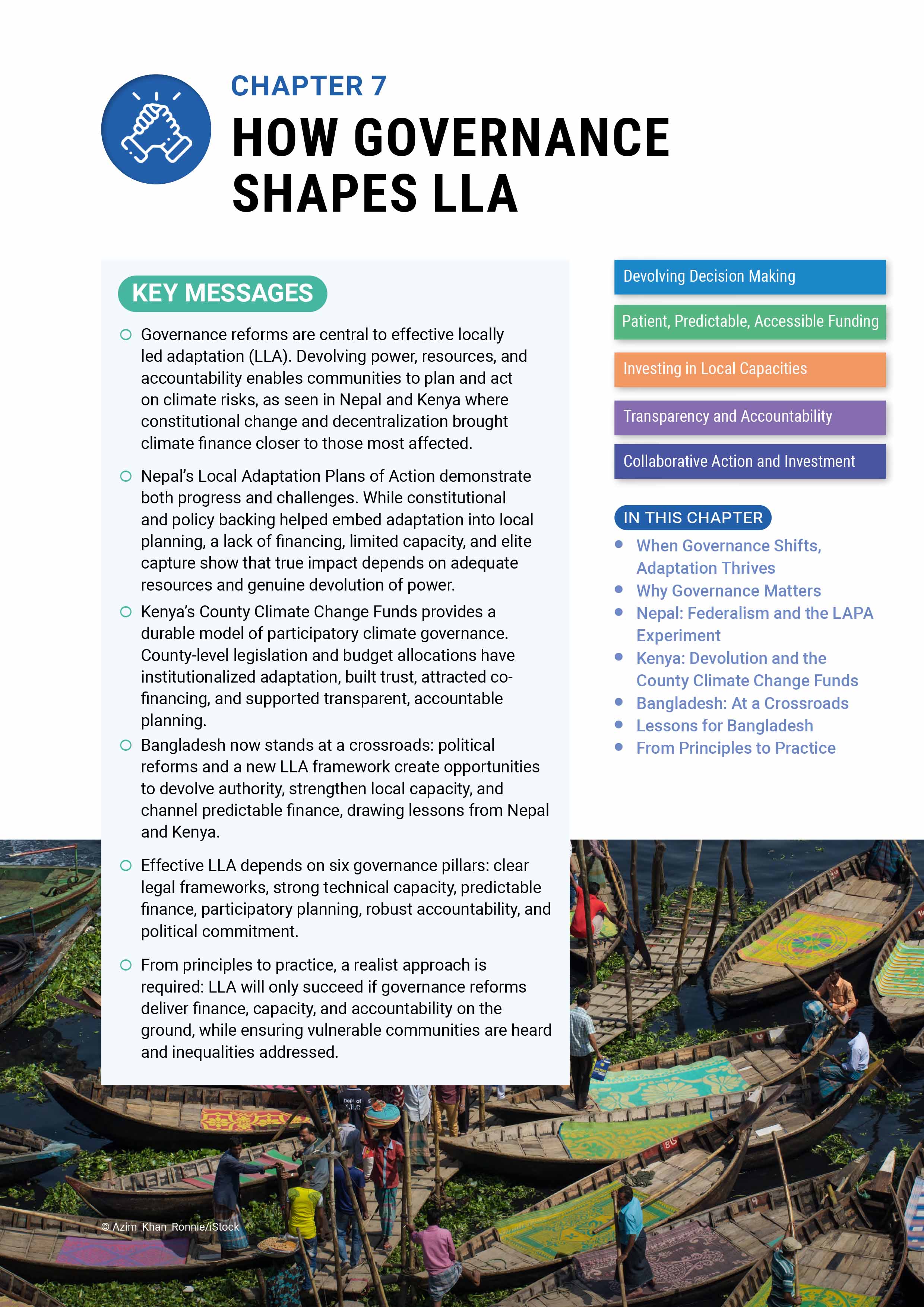
On why and how locally led adaptation delivers greater impact and embodies climate justice in practice. By challenging long-standing paternalistic approaches, LLA confronts the structural inequities that persist between the Global North and South and within societies themselves. It seeks to dismantle historical patterns of exclusion and extraction, replacing them with systems that uphold local sovereignty, strengthen dignity, and foster long-term resilience.
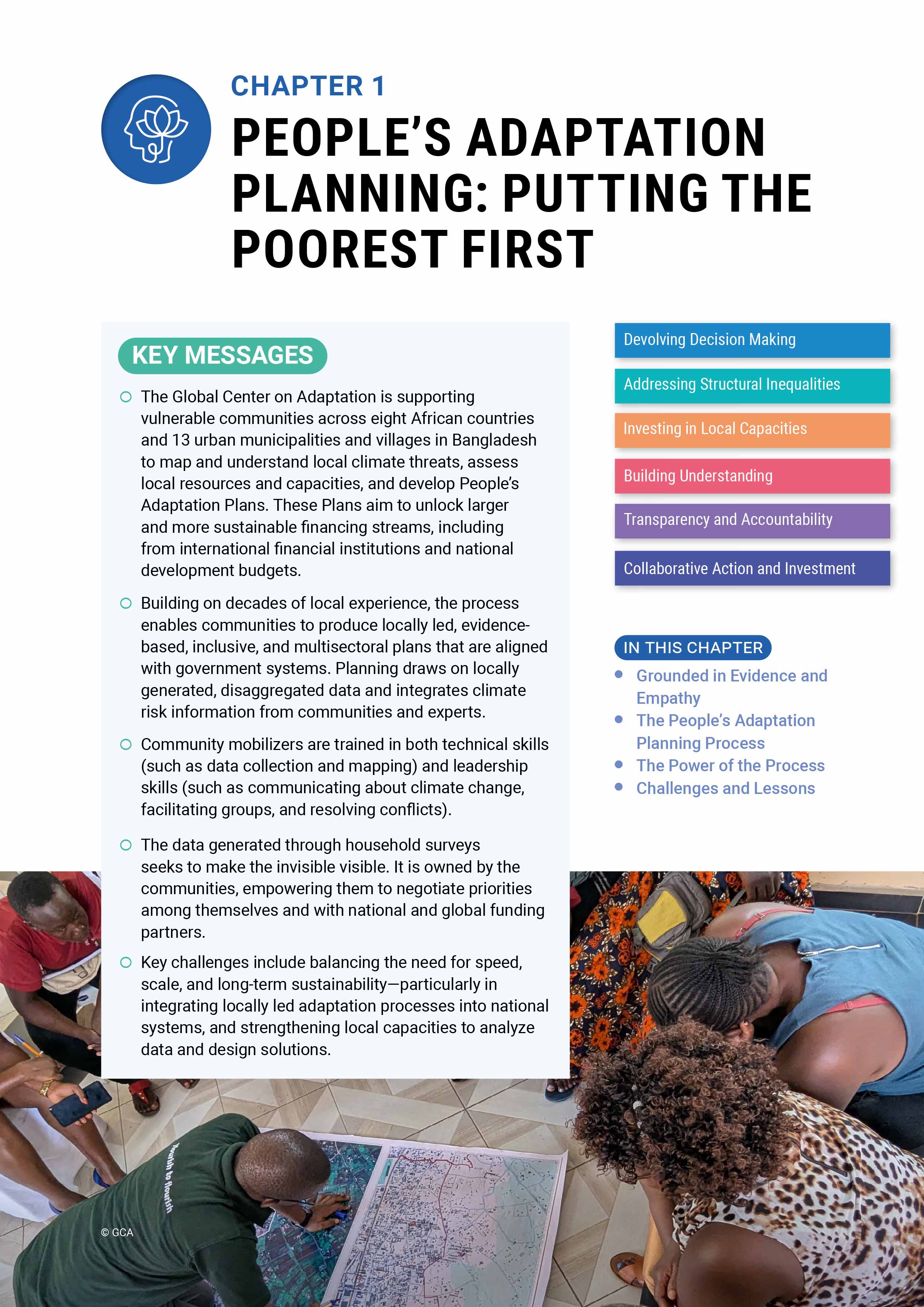
A frontline look at how the world’s poorest communities are mapping their own climate risks, generating data for evidence-based planning that is grounded in empathy, and demanding a fair share of adaptation finance on their own terms.
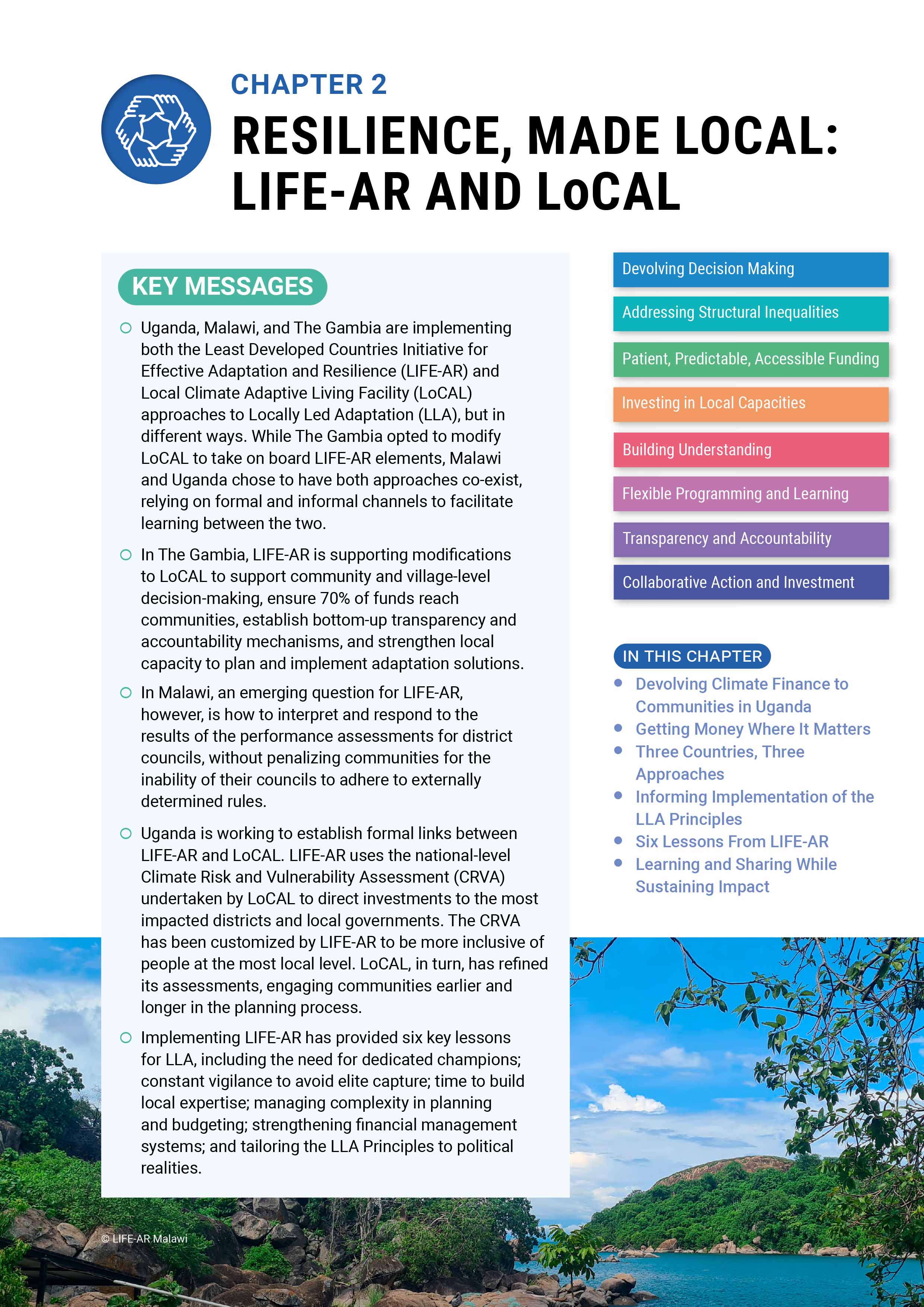
A behind-the-scenes story of how three countries are learning from and reconciling two approaches to implement locally led adaptation – LIFE-AR and LoCAL.
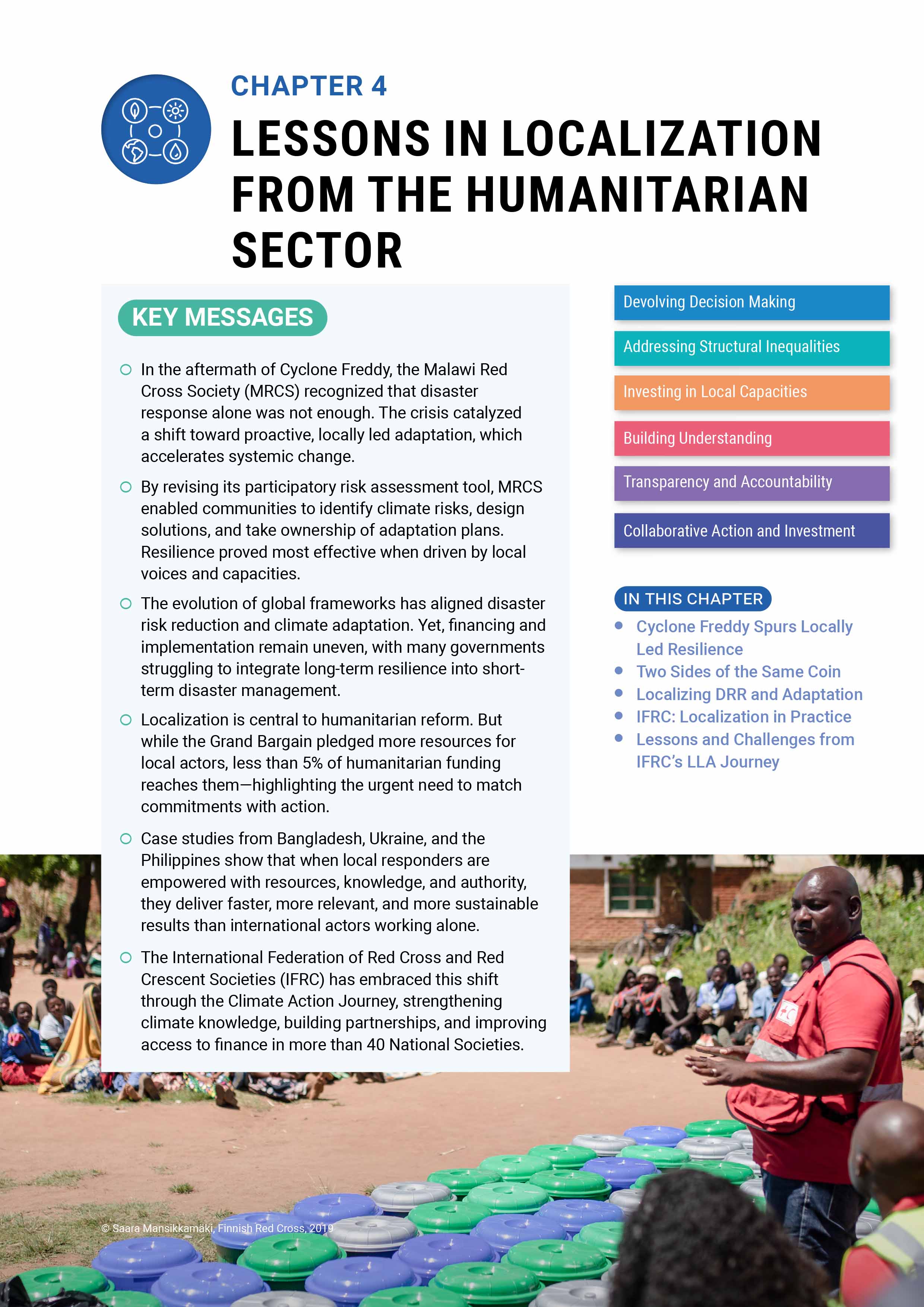
Humanitarian agencies reveal how shifting power, resources, and decisions to crisis-hit communities is reshaping emergency response from the ground up.
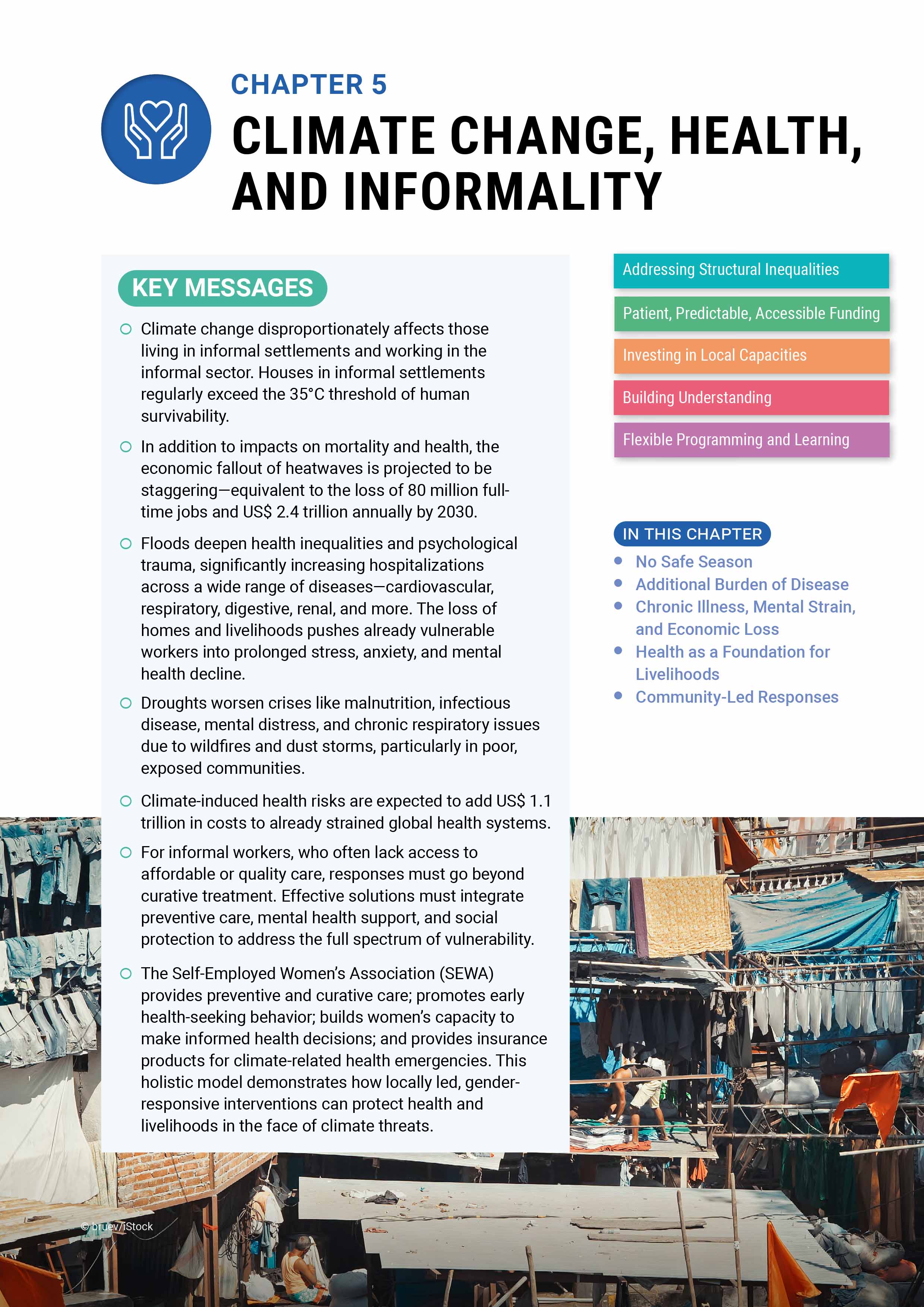
Women in informal settlements are transforming climate-health resilience through community-led care, preventive health systems, and locally trained Health Ambassadors that protect both lives and livelihoods in a warming world.
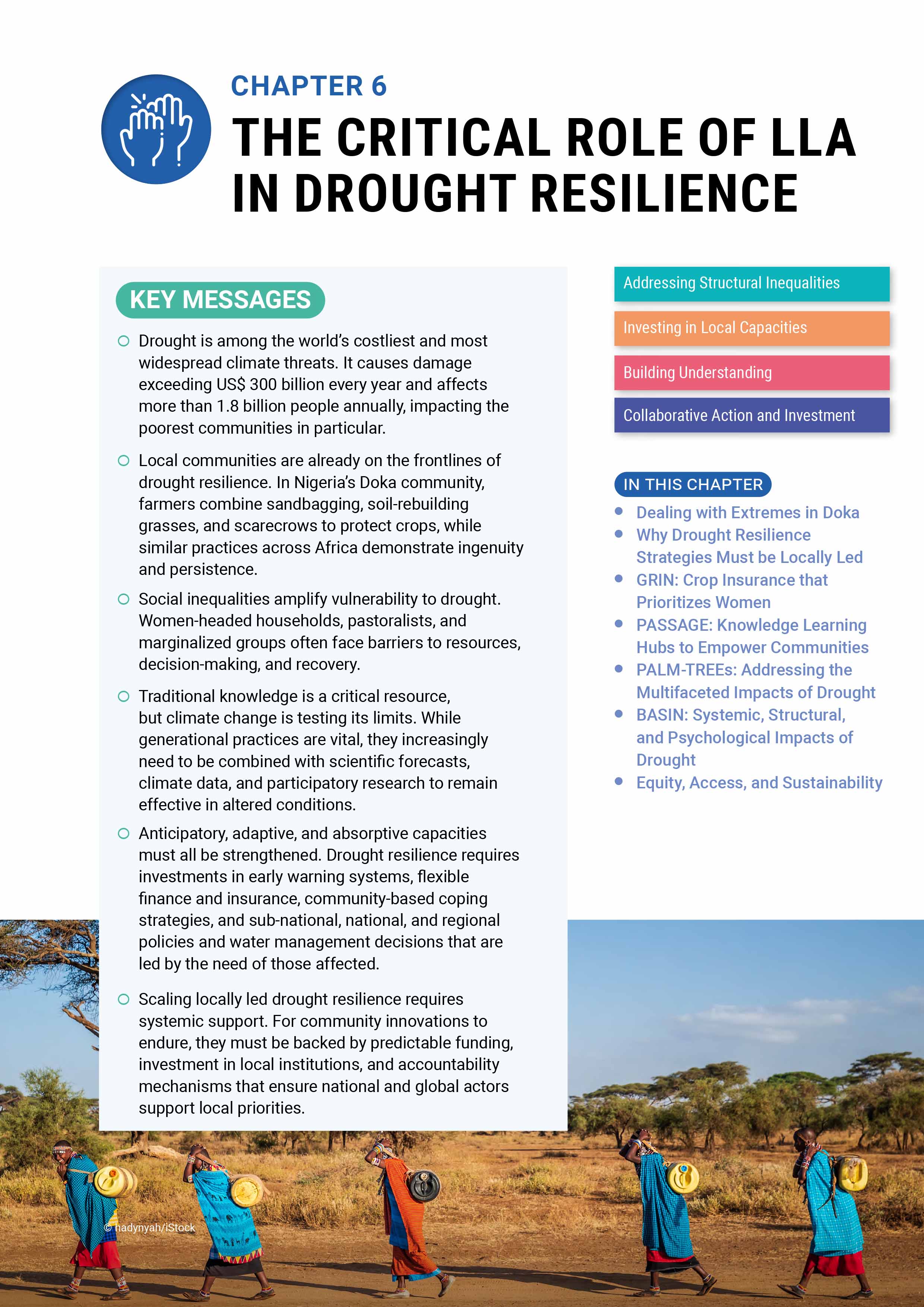
Communities living on the edge of climate extremes show how locally led action can turn drought from a devastating shock into a challenge they are prepared to face.
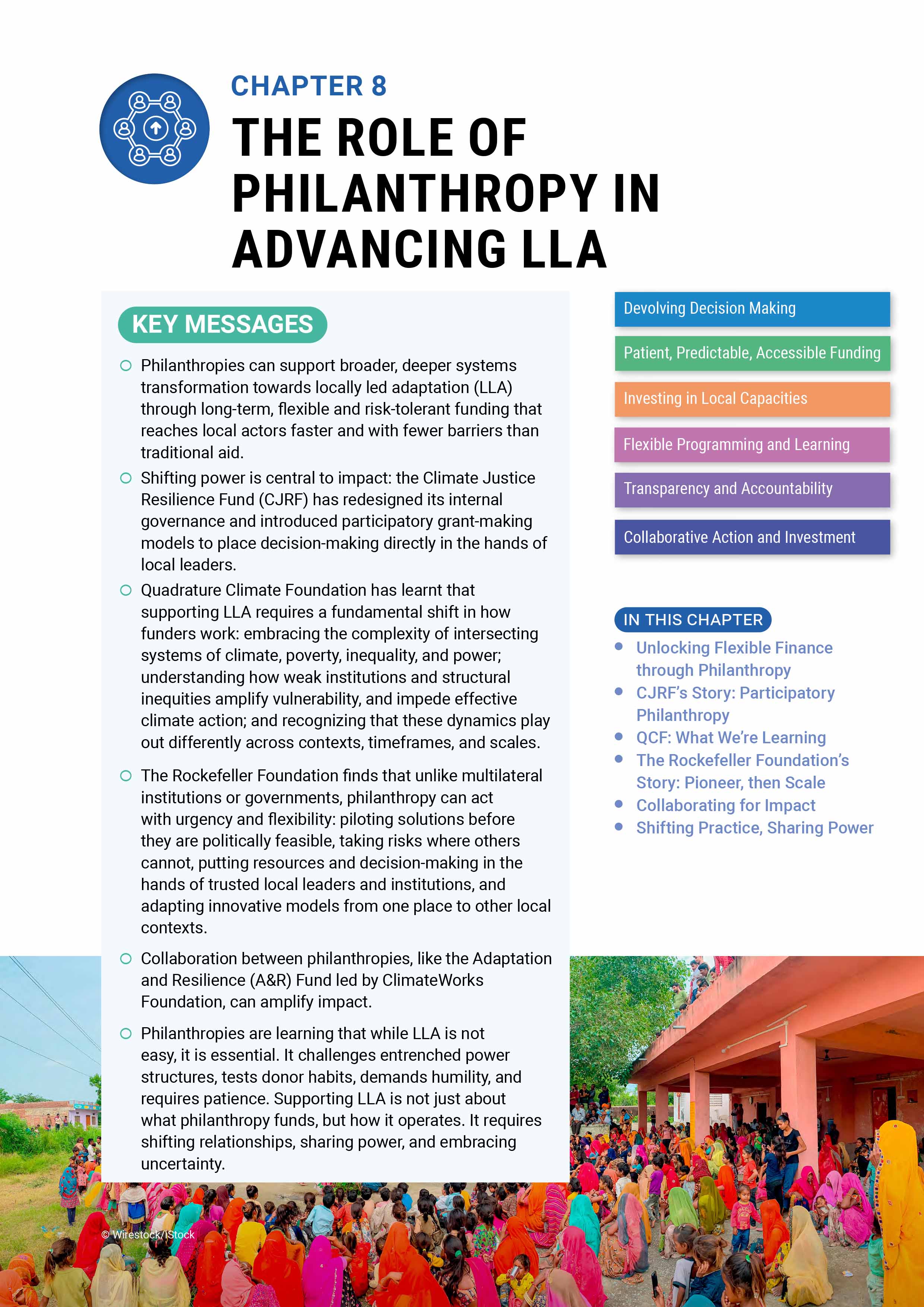
Philanthropies are learning to share power, take risks, and directly back local leaders, proving that climate funding can be faster, fairer, and far more transformative.
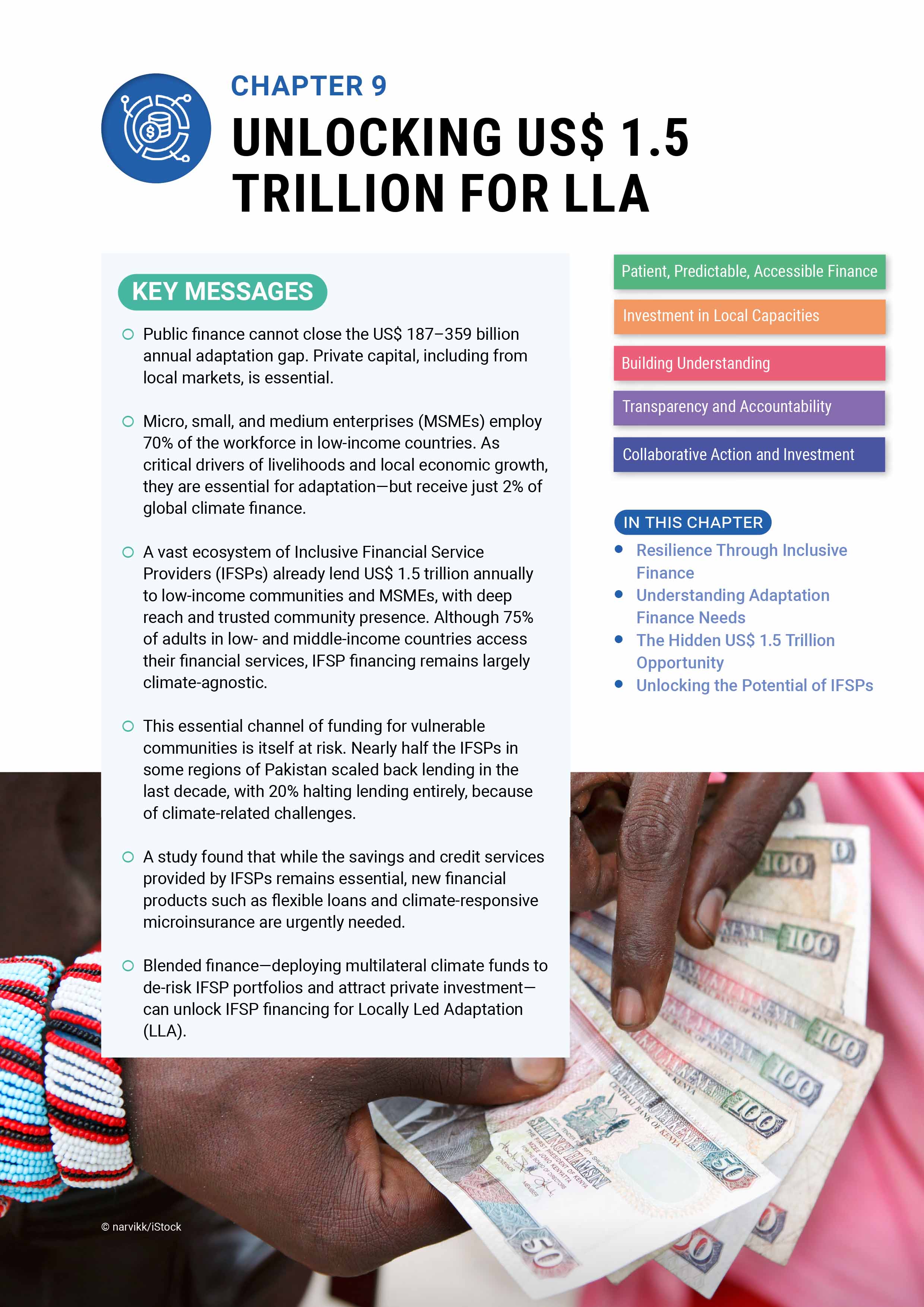
By climate-proofing microfinance institutions and equipping them to deliver resilient, affordable services, we can safeguard a lifeline that enables millions of low-income households to adapt and recover from climate shocks.
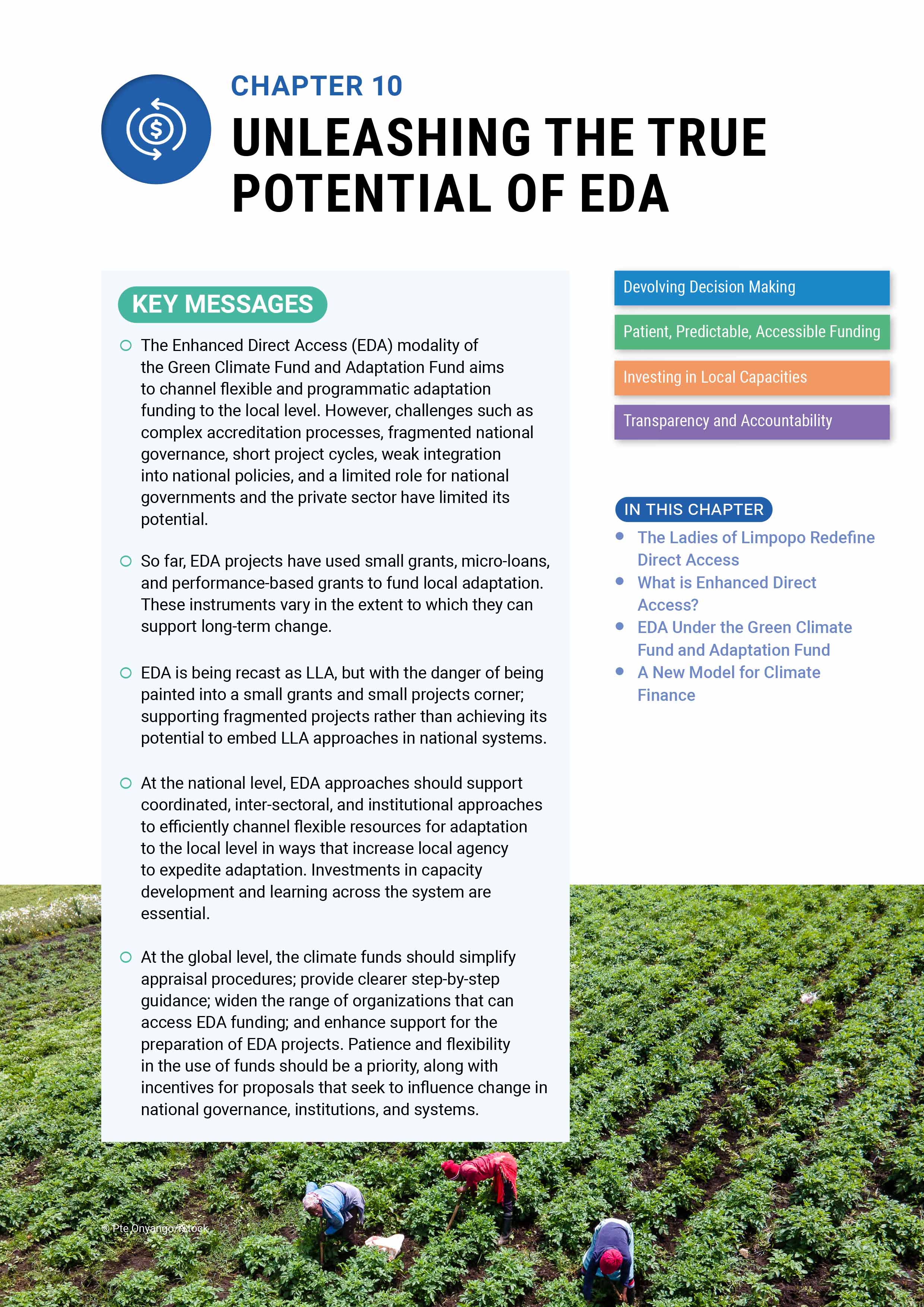
Redesigning climate funding so it flows directly through strong national and local institutions will enable communities to better access the predictable, flexible support they need to plan and deliver their own adaptation solutions.
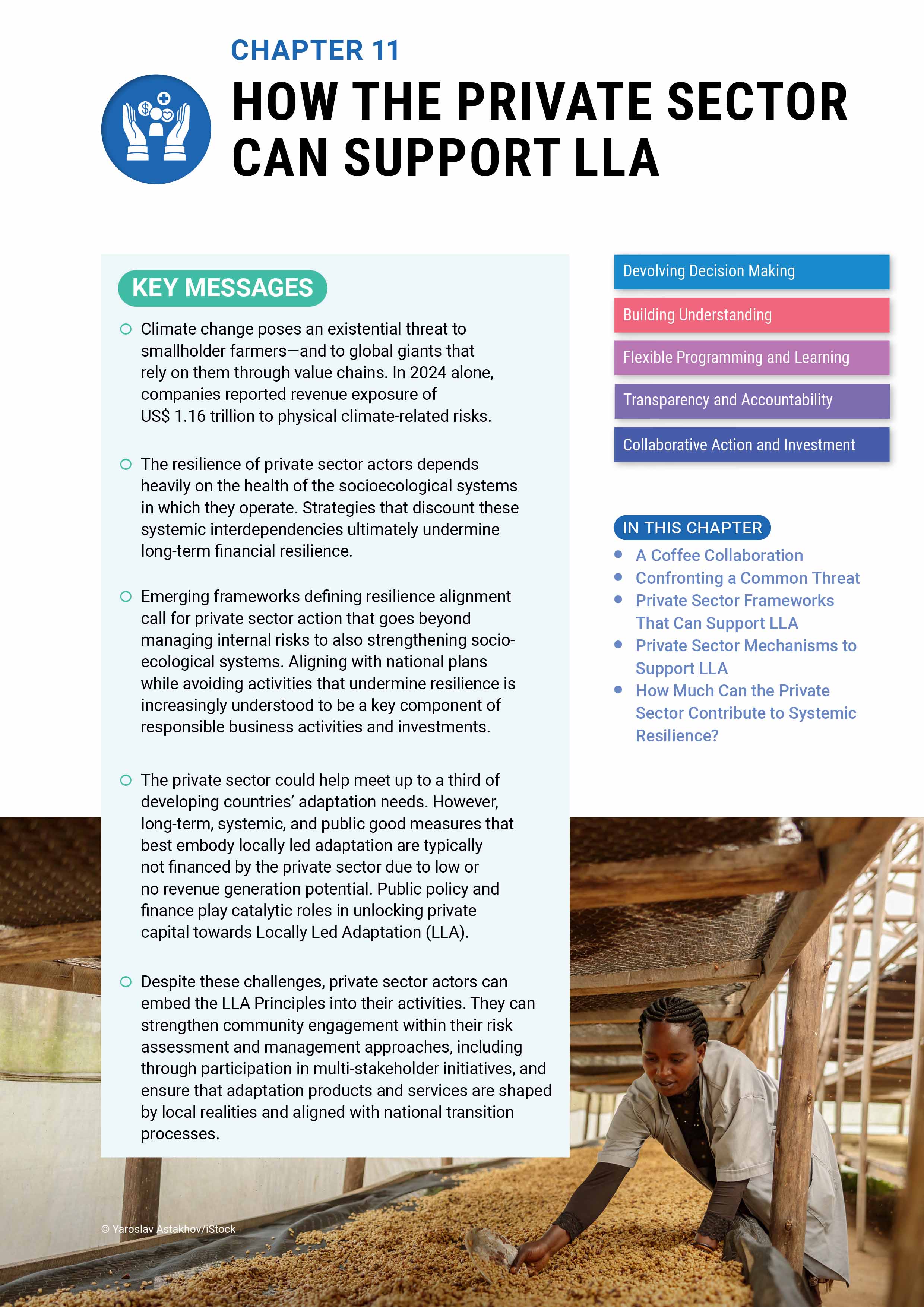
Businesses thrive when the communities and ecosystems around them thrive, and by partnering with locals, navigating risks, and aligning investments with real-world needs, companies can turn climate adaptation from a challenge into a competitive advantage.